Miraflores

The origin of the journey

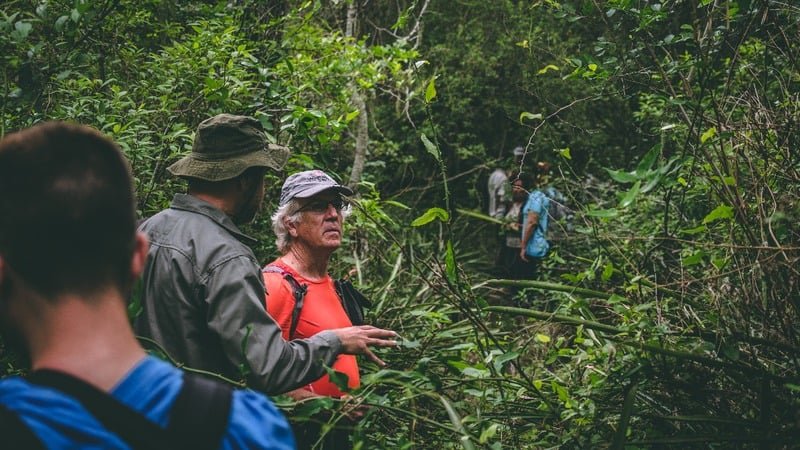
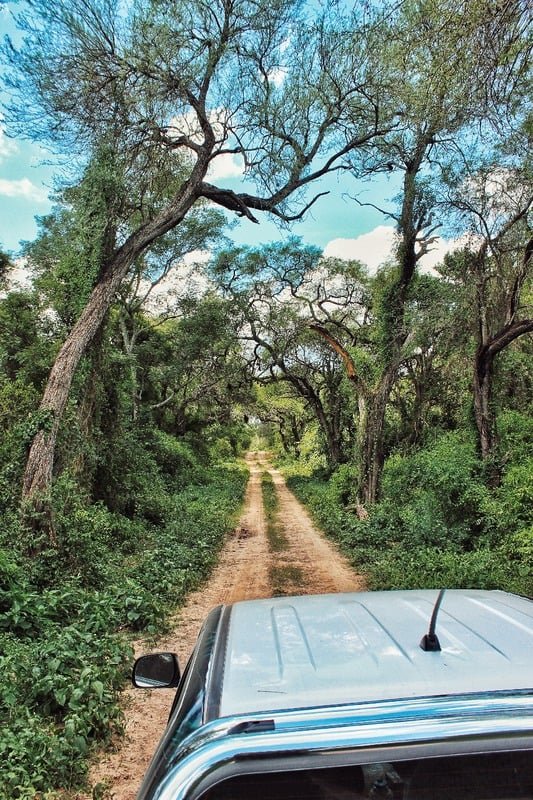
Miraflores is the last town with paved access before entering El Impenetrable. It is the point where the adventure begins toward one of Argentina’s most untouched natural territories

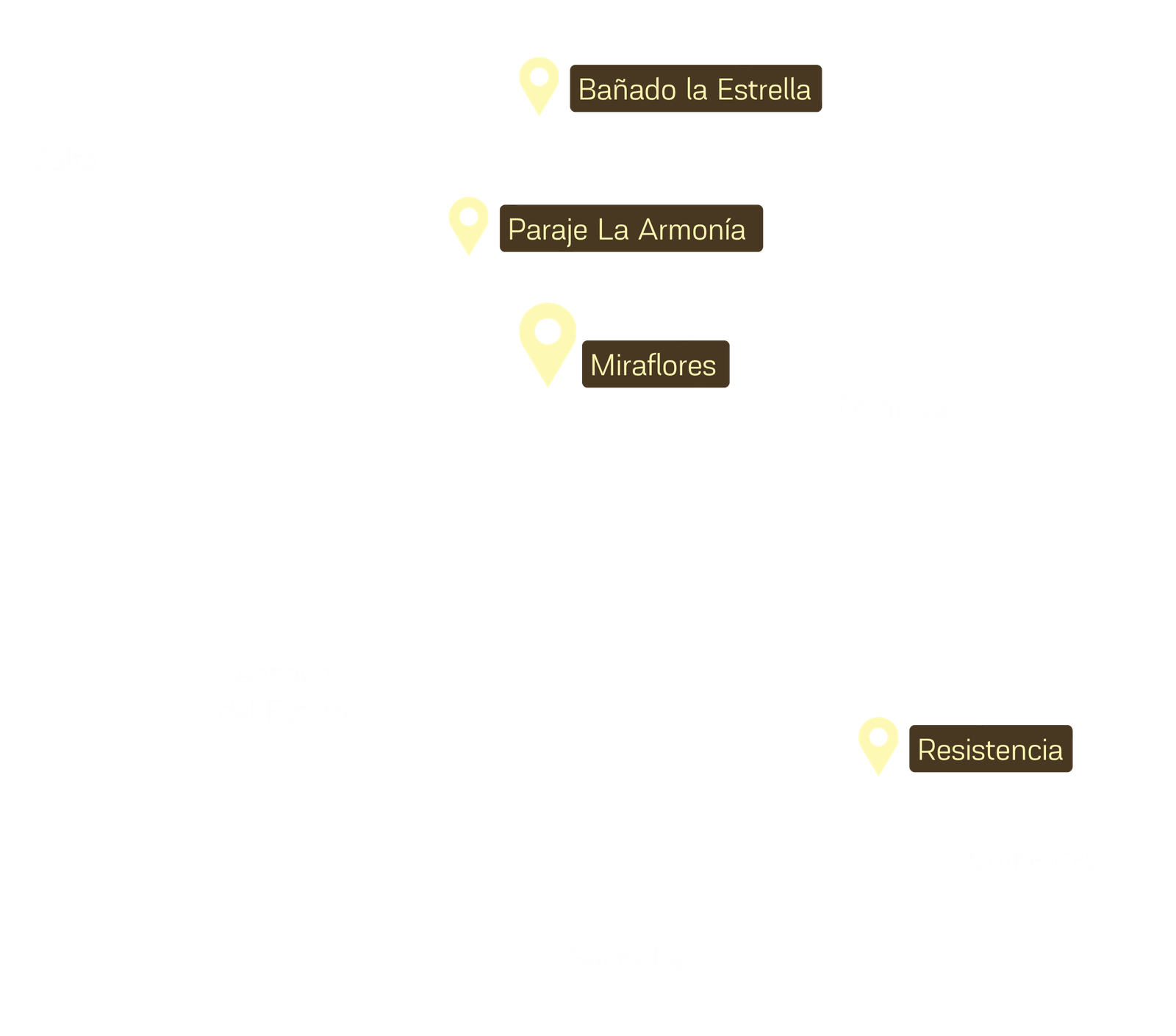
We are located in the General Güemes Department, in northwest Chaco, 309 km from Resistencia.

From here, 60 km of road connect with Portal La Armonía, the land entrance to El Impenetrable National Park.

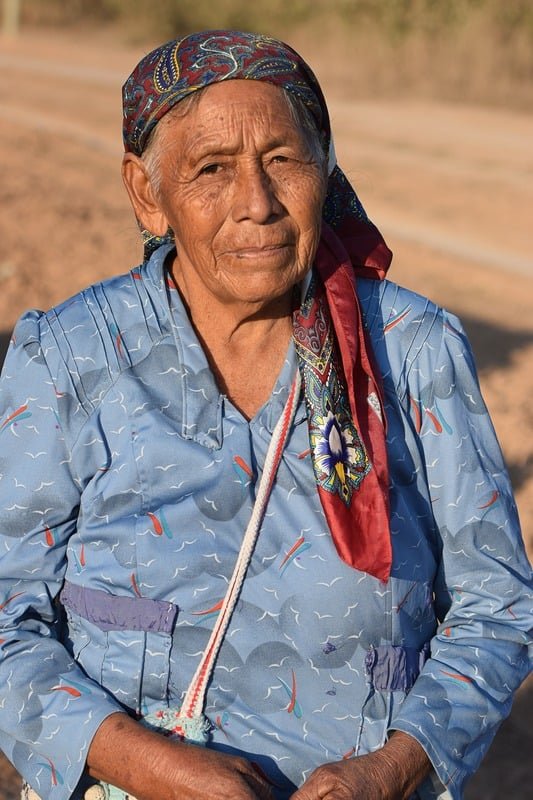
We are a community of nearly 11,000 inhabitants where Creole tradition, Qom and Wichí cultures, and European immigrant influences coexist. A history marked by the forest, the Bermejo River, and the effort of those who chose to stay.

Here the journey begins, and so does another way of looking at nature.

Impenetrable and the National Park

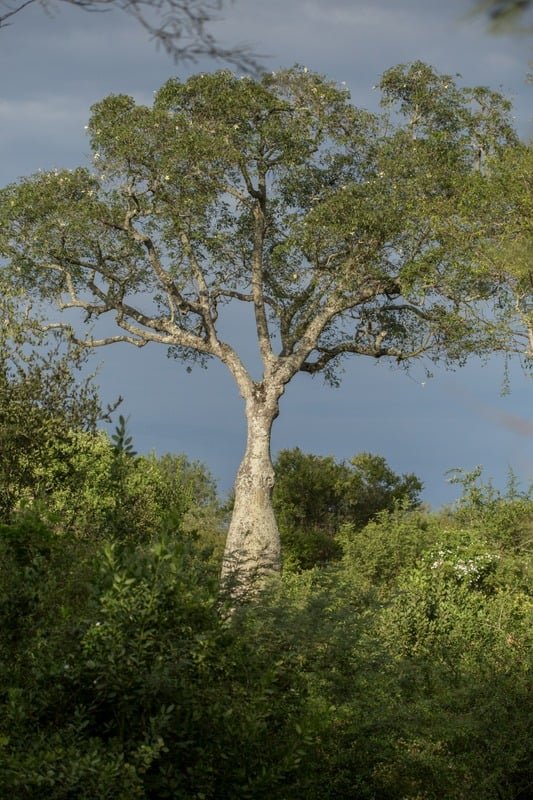
El Impenetrable is a region of over 40,000 km² of native forest in western Chaco, extending into Formosa, Salta, and Santiago del Estero provinces. It is crossed by the Bermejo and Bermejito rivers, forming a territory of immense ecological and cultural value.

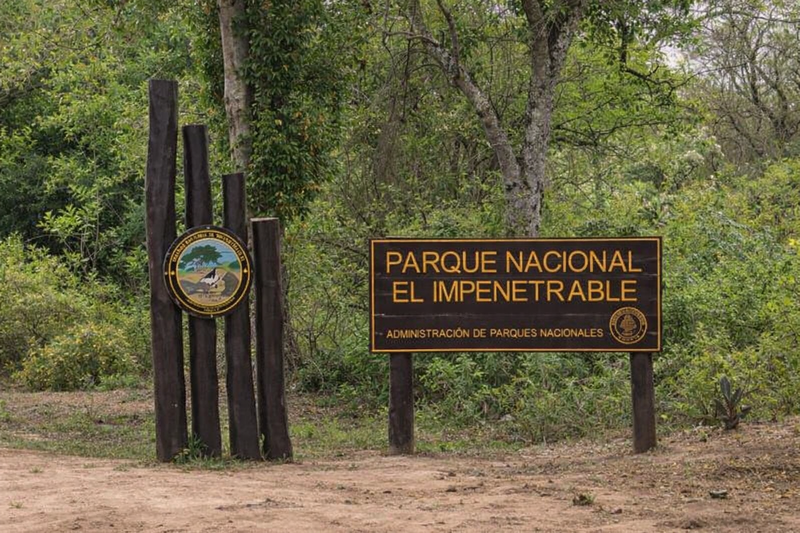
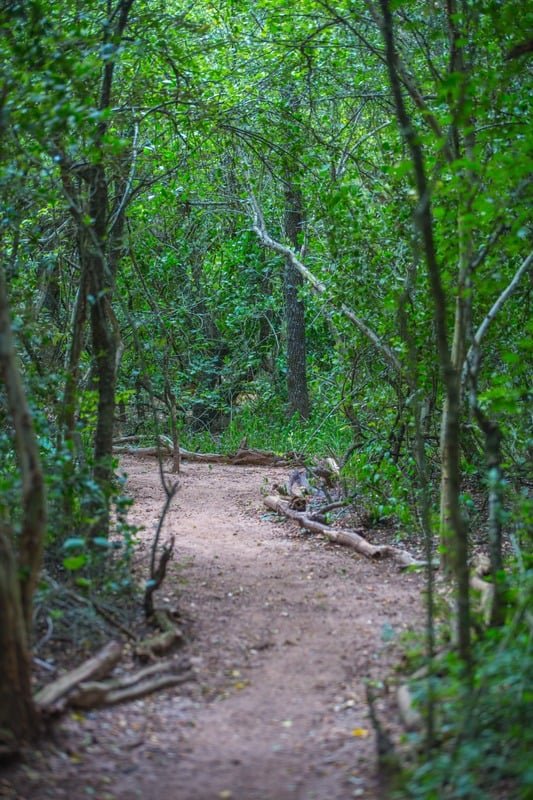
In its heart lies El Impenetrable National Park, created in 2014, which protects 128,000 hectares of the largest remnant of Chaco forest in northern Argentina. The protected area is located in the General Güemes department and has two access points: Portal La Armonía (land entrance, 60 km from Miraflores) and the nautical Portal La Fidelidad, on the Bermejo River. Its name comes from the density of the forest, the thorny shrubs, and the natural conditions that historically made access difficult. Today, those same conditions make it one of the nature tourism destinations with the greatest potential in the country.

The creation of the Park marked a turning point for the region. With tourism as its main activity, Miraflores consolidated its position as the primary gateway and began a gradual transformation of its economic structure, committing to a model based on conservation and local development. But El Impenetrable is not just landscape. It’s its people. It’s Creole culture and indigenous communities, it’s gastronomy, crafts, and traditions that form part of the territory’s identity.

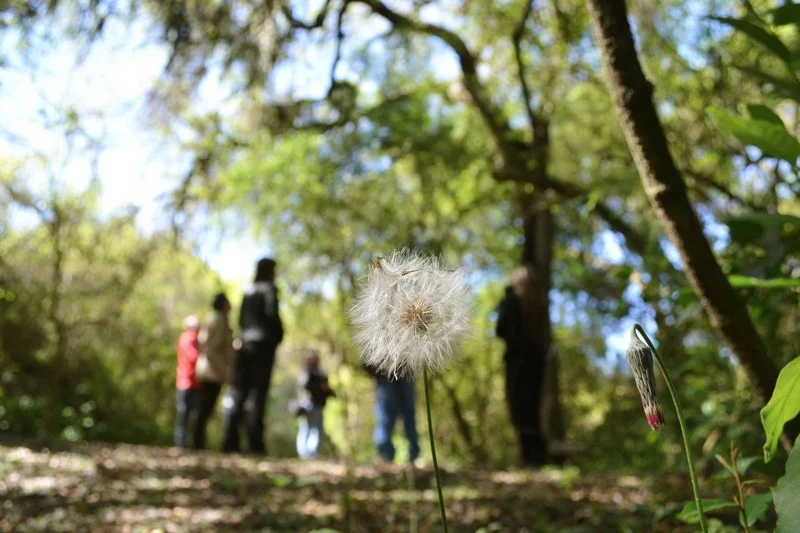
Every visitor who arrives generates an impact: they boost local economies, strengthen community roots, and give greater value to living wildlife and the standing forest.

Traveling here is not just visiting an emerging destination.

It is being part of a vision that considers the forest alongside its communities.

If you are looking for a transformative experience, Miraflores is where it begins.

Our story

The first settlers began to establish themselves in the area around 1910, following the course of the Bermejo River. 

They were mainly Creole families from eastern Salta and Santiago del Estero, who “came down” to the Chaco in search of new lands for grazing.

They didn’t arrive by boat or train. They arrived on horseback, in wagons, herding cattle, crossing the forest we know today as El Impenetrable. They were men and women accustomed to the dry climate, experts in forest livestock and in adapting to a challenging territory.

Between 1910 and 1920, the first permanent settlements began to take shape near natural water wells. These wells became the center of social and economic life, and even today many places still bear that name: “Well of…” 

Coexistence was direct and daily with the Qom and Wichí communities, great connoisseurs of the forest. During the first decades, the economy was based on subsistence: Creole livestock and forestry. Later, in the 20s and 30s, the state promotion of cotton cultivation attracted a second wave of settlers.


In 1939, the National State decreed the reservation of lots for the creation of the “Villa Rural Indígena” (Indigenous Rural Village).

On September 21, 1940, the name “Miraflores” was formally proposed, and on October 5, 1940, the National Executive Branch officially established it through Decree No. 73.746.

Miraflores grew looking toward our own neighboring provinces. While other cities in Chaco developed with strong European influence, here the imprint of the “gaucho salteño” was consolidated: the guardamonte (leather leg protectors), the wide-brimmed hat, rural culture, and the deep bond with the forest. 

Our identity was forged among Creoles and indigenous peoples, between droughts and floods of the Bermejo River, between livestock, cotton, and community life. A history of constant adaptation that still defines our character today.
We believe in sustainable tourism

With the creation of El Impenetrable National Park, Miraflores began to travel a new path.


Nature tourism has established itself as a real alternative for development. 


Tourism in Miraflores promotes sustainable development based on the conservation of the Chaco forest, the protection of wildlife, and the generation of local employment.


Every visitor who arrives contributes to:

  • Boosting regional economies
  • Strengthening community roots
  • Generating community pride
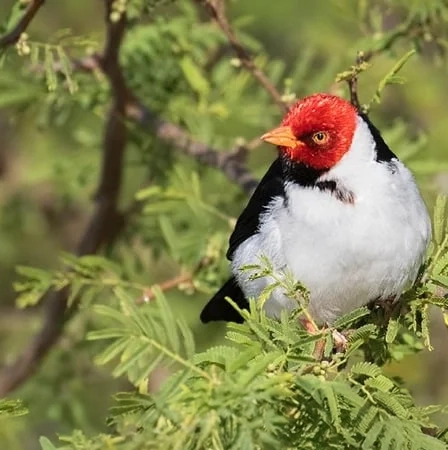
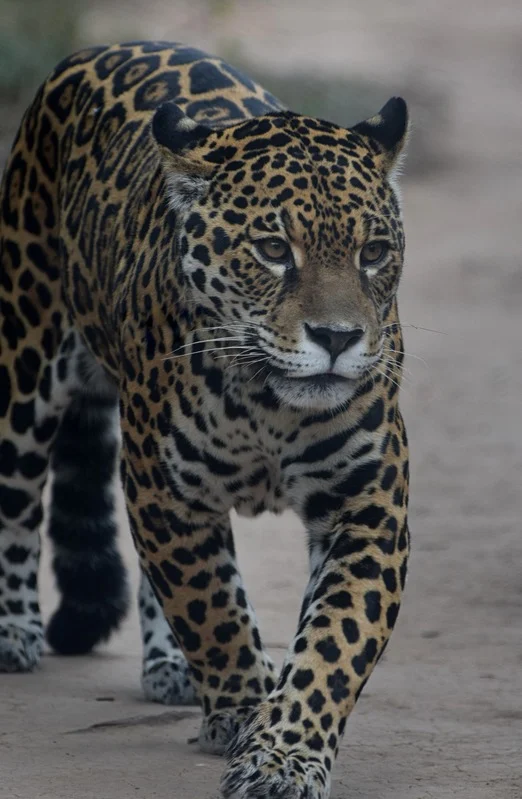
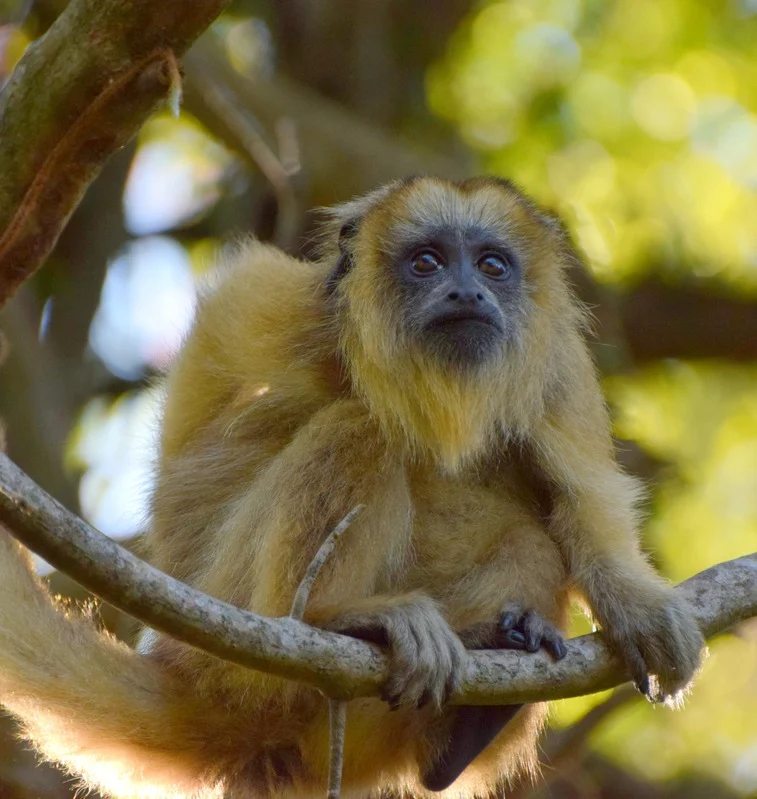
  • Giving greater value to living wildlife and the standing forest

El Impenetrable has shown that it is possible to envision an economy with nature as an ally.

Miraflores is part of the “La Ruta Natural Gran Chaco” and the “Travesía Capricornio,” integrating into a regional vision of responsible tourism.

If you’re looking for a transformative experience, where the journey has meaning, this could be your next destination.

To enjoy these experiences, we invite you to read our Decalogue for the Responsible Tourist

Alliances

We have a dream ahead of us, which is only possible if we combine wills, effort and tourists like you… committed to the destination and aware of the journey they are undertaking.

That is why we are joining forces with other public and private organizations and with environmental NGOs with whom we share the vision we want for El Impenetrable.

Administración de Parques Nacionales

Intendancy of El Impenetrable National Park, directly responsible for guarding the protected area of 128,000 hectares.

El Impenetrable

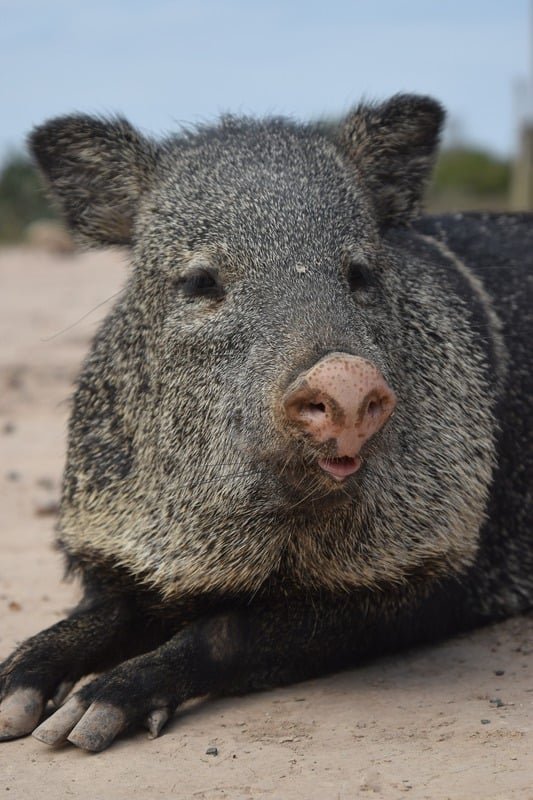
A protected area that shelters the largest expanse of the Dry Chaco in South America. It is a biodiversity refuge where the conservation of the native forest drives the development of local communities.

www.elimpenetrable.org

Instituto de Turismo del Chaco

A public organization of the Provincial Government, dedicated to promoting the sustainable growth of tourism activities to improve the quality of life of residents and the transformative experience of visitors.

www.turismo.chaco.gob.ar

Institutional

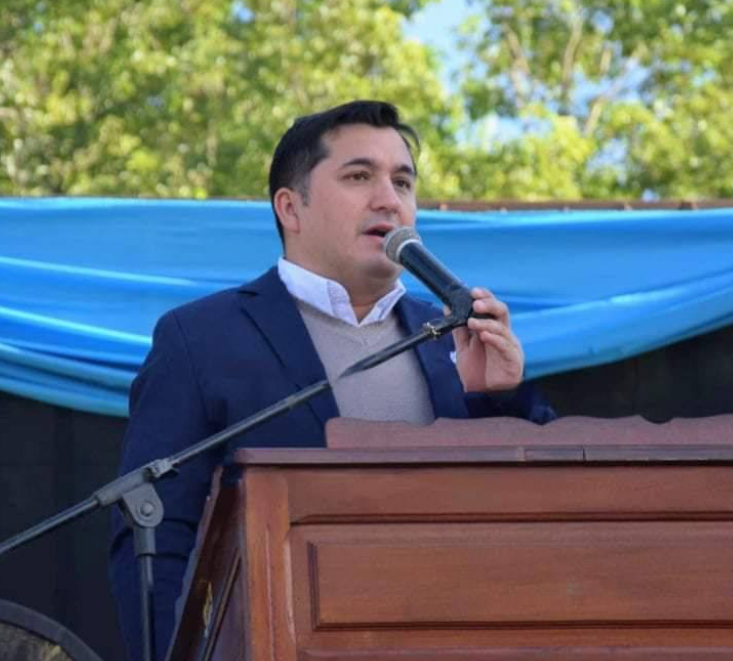
Since 2023, the administration of Intendente Rafael Frías has been carrying out the Local Identity Program, which, which features Tourism as a leading protagonist among its strategic lines of action.

CPN Rafael Frías
Intendente
Management 2023-2027